How Communities in New Zealand Inspire Change
- Phil Kohr
- Nov 17, 2025
- 4 min read

New Zealand is a land known for its breathtaking landscapes and rich cultural heritage. But beyond its natural beauty, it is the strength and spirit of its communities that truly shape the nation. Across cities, towns, and rural areas, communities come together to address challenges, celebrate diversity, and foster sustainable growth. This blog explores how community inspiration in New Zealand sparks meaningful change, highlighting practical examples and actionable ideas that anyone can learn from.
The Power of Community Inspiration in New Zealand
Community inspiration in New Zealand is rooted in the values of collaboration, respect, and innovation. From urban neighbourhoods to remote settlements, people unite to solve problems and create opportunities. This collective energy often leads to projects that improve wellbeing, protect the environment, and promote social inclusion.
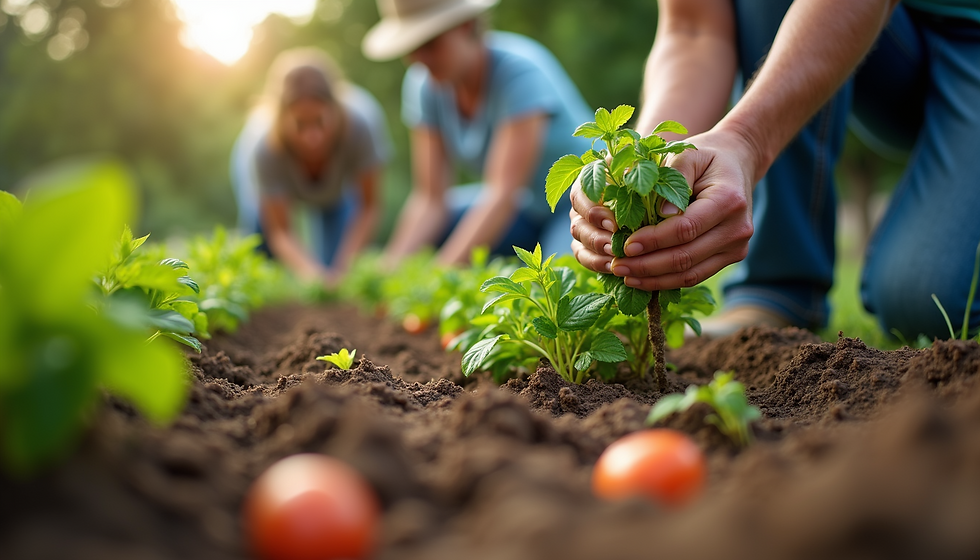
For example, in Wellington, local groups have launched urban gardens that provide fresh produce while building social connections. These gardens not only reduce food miles but also offer educational workshops on sustainable living. Similarly, in Christchurch, community-led initiatives focus on rebuilding after natural disasters, emphasising resilience and shared responsibility.
To foster such initiatives, it is essential to:
Encourage open communication and active listening within communities.
Support local leadership and empower diverse voices.
Provide access to resources and training for community projects.
Celebrate successes to motivate ongoing participation.
By nurturing these elements, communities can continue to inspire change that benefits everyone.

How Local Projects Inspire Communities to Act
One of the most effective ways communities inspire change is through tangible projects that address local needs. These projects often start small but grow into powerful movements. For instance, the "Plastic Free July" campaign has gained traction in many New Zealand towns, encouraging residents to reduce single-use plastics. Community groups organise clean-up events, educational talks, and alternatives to plastic products.
Another example is the rise of community energy schemes. In places like Dunedin, residents collaborate to install solar panels on shared buildings, reducing carbon footprints and lowering energy costs. These projects demonstrate how collective action can lead to environmental and economic benefits.
To replicate such success, communities should:
Identify pressing local issues through surveys or meetings.
Develop clear goals and action plans.
Engage stakeholders including schools, businesses, and local government.
Monitor progress and adapt strategies as needed.
These steps help ensure that projects remain relevant and impactful.

Who Owns the Most Mobile Home Parks?
Mobile home parks in New Zealand provide affordable housing options for many residents. Ownership of these parks varies, with a mix of private companies, local councils, and community trusts involved. Understanding who owns these parks is important because it affects management practices, tenant rights, and community wellbeing.
Private companies often own a significant portion of mobile home parks, focusing on profitability. However, this can sometimes lead to concerns about rent increases and maintenance standards. In contrast, community trusts and local councils tend to prioritise tenant stability and long-term affordability.
For example, the Wellington City Council has taken steps to acquire and manage mobile home parks to protect residents from displacement. Similarly, some community trusts operate parks with a focus on social housing, ensuring that vulnerable populations have secure homes.
To improve the situation, recommendations include:
Encouraging more community ownership models.
Implementing stronger tenant protections.
Promoting transparent management practices.
Supporting residents’ involvement in decision-making.
These measures can help mobile home parks become more than just housing - they can be vibrant, supportive communities.
Building Social Cohesion Through Cultural Events
New Zealand’s diverse population is a source of strength and inspiration. Cultural events play a vital role in bringing people together, fostering understanding, and celebrating identity. From Māori festivals to Pasifika gatherings and multicultural fairs, these events create spaces for connection and learning.
For instance, the annual Pasifika Festival in Auckland attracts thousands, showcasing music, dance, and food from Pacific Island nations. This event not only entertains but also educates attendees about the rich heritage of the community. Similarly, Matariki celebrations across the country honour Māori New Year with storytelling, art, and community feasts.
Communities can leverage cultural events to:
Promote inclusivity and respect for diversity.
Encourage intergenerational dialogue.
Support local artists and performers.
Strengthen community pride and belonging.
By investing in such events, communities build social cohesion that underpins collective action and resilience.
Practical Ways to Inspire Communities in Your Area
If you want to make a difference locally, there are many practical steps you can take to inspire communities. Whether you are an individual, group, or organisation, these ideas can help spark positive change:
Start a community newsletter or social media page to share news, events, and opportunities.
Organise skill-sharing workshops on topics like gardening, cooking, or digital literacy.
Create public art projects that reflect local stories and values.
Partner with schools and youth groups to engage younger generations.
Host regular community meetings to discuss issues and brainstorm solutions.
Collaborate with local businesses to support community initiatives.
Remember, small actions can lead to big impacts when people come together. To further explore ways to inspire communities, consider connecting with networks and platforms dedicated to community development.
Embracing the Future with Community Spirit
New Zealand’s communities are living examples of how collective effort can drive meaningful change. By embracing diversity, fostering collaboration, and focusing on shared goals, communities create environments where everyone can thrive. The stories and projects highlighted here show that inspiration is not just a feeling - it is a catalyst for action.
As challenges evolve, from climate change to social inequality, the strength of community spirit will be more important than ever. By learning from successful examples and applying practical strategies, communities across New Zealand can continue to lead the way in building a better future.
Let us all take part in this journey, knowing that every contribution matters and that together, we can inspire change that lasts.
Comments