Ways to Foster Inspiration in Communities by Building Cultural Connections
- Guest

- Dec 19, 2025
- 4 min read
Inspiration is the spark that ignites creativity, collaboration, and growth within communities. When people feel connected and motivated, they contribute more actively to their surroundings. Building cultural connections is a powerful way to foster this inspiration. It creates a shared sense of identity and purpose, encouraging individuals to engage and innovate together.

Building Cultural Connections to Strengthen Community Bonds
Cultural connections are the threads that weave diverse individuals into a cohesive community fabric. These connections celebrate shared traditions, values, and experiences, which help people feel understood and valued. To build cultural connections effectively, communities can:
Host cultural festivals and events: These gatherings showcase local art, music, food, and customs. For example, a multicultural food fair invites residents to share dishes from their heritage, sparking conversations and friendships.
Create community art projects: Murals, sculptures, or collaborative installations can reflect the community’s history and diversity. This visual storytelling fosters pride and belonging.
Support local storytellers and historians: Organising talks or workshops where elders and cultural leaders share stories preserves heritage and educates younger generations.
Encourage language exchange programs: These initiatives help break down communication barriers and deepen understanding among different cultural groups.
By focusing on these activities, communities can build bridges that unite people beyond superficial differences.

Encouraging Collaborative Spaces for Creativity and Growth
Physical and virtual spaces designed for collaboration can significantly boost community inspiration. These spaces provide opportunities for people to meet, share ideas, and work on projects together. Some practical ways to encourage collaboration include:
Establishing community hubs or makerspaces: These venues offer tools and resources for creative projects, from woodworking to digital design. They also serve as meeting points for workshops and brainstorming sessions.
Launching online forums and social media groups: Virtual platforms allow community members to connect regardless of location. They can share resources, organise events, and support each other’s initiatives.
Promoting co-working spaces for local entrepreneurs: These spaces foster networking and mentorship, helping small businesses thrive.
Organising regular meetups and hackathons: These events challenge participants to solve local problems creatively, often leading to innovative solutions.
Creating these environments encourages collaboration and helps ideas flourish, ultimately benefiting the entire community.
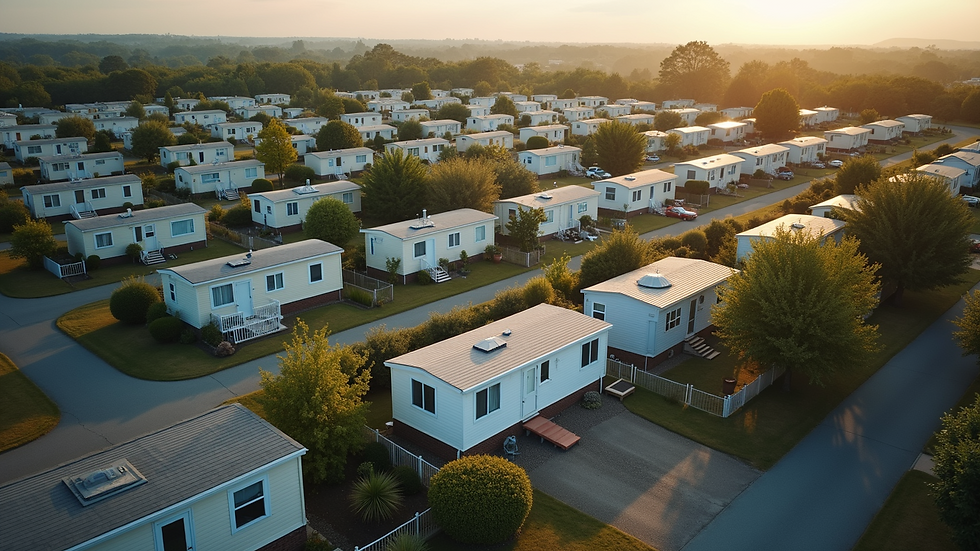
Who Owns the Most Mobile Home Parks?
Mobile home parks are an important part of many communities, providing affordable housing options. Ownership of these parks can influence community dynamics and development. In many regions, ownership is divided among private investors, corporations, and sometimes local governments or non-profits.
Private investors and corporations: Large companies often own multiple mobile home parks, managing them as business assets. Their focus is usually on profitability, which can impact rent prices and maintenance standards.
Local governments and non-profits: Some parks are owned or managed by public entities or community organisations aiming to provide affordable and stable housing.
Understanding who owns mobile home parks is crucial for community advocates seeking to improve living conditions and foster inclusive neighbourhoods. Engaging with owners and policymakers can lead to better management practices and stronger community ties.
Promoting Education and Lifelong Learning Opportunities
Education is a cornerstone of community inspiration. When people have access to learning, they gain skills and confidence to contribute meaningfully. Communities can promote education by:
Offering free or low-cost workshops and classes: Topics can range from digital literacy to traditional crafts, catering to all age groups.
Partnering with local schools and libraries: These institutions can host events, provide resources, and support community learning initiatives.
Creating mentorship programs: Experienced community members can guide youth and newcomers, sharing knowledge and fostering personal growth.
Encouraging cultural exchange programs: These programs broaden perspectives and deepen appreciation for diversity.
By investing in education, communities empower individuals to innovate and collaborate, strengthening the collective spirit.
Leveraging Technology to Connect and Inspire
Technology offers powerful tools to enhance community inspiration and engagement. It can bridge distances, amplify voices, and streamline collaboration. Communities can leverage technology by:
Developing community apps or websites: These platforms can share news, event calendars, and resources, keeping everyone informed and involved.
Using social media to highlight local stories: Sharing successes and creative projects inspires others to participate.
Hosting virtual events and webinars: These allow wider participation, especially for those unable to attend in person.
Implementing digital storytelling projects: Residents can create videos, podcasts, or blogs that celebrate their culture and experiences.
When used thoughtfully, technology can unite people and amplify efforts to inspire communities.
Sustaining Inspiration Through Ongoing Engagement
Inspiration is not a one-time event but a continuous process. To sustain it, communities should:
Encourage regular feedback and participation: Listening to community members ensures initiatives remain relevant and inclusive.
Celebrate achievements publicly: Recognising contributions motivates continued involvement.
Adapt to changing needs and interests: Flexibility keeps the community dynamic and responsive.
Build partnerships with local organisations and businesses: Collaboration expands resources and reach.
By maintaining momentum, communities can nurture a lasting culture of inspiration and connection.
Fostering inspiration in communities through building cultural connections is a rewarding journey. It requires intentional efforts to celebrate diversity, create collaborative spaces, support education, and embrace technology. These strategies help communities thrive, creating environments where everyone feels valued and motivated to contribute. To learn more about how to inspire communities, explore local initiatives and get involved today.


Comments